Wedding Bouquets and Flowers
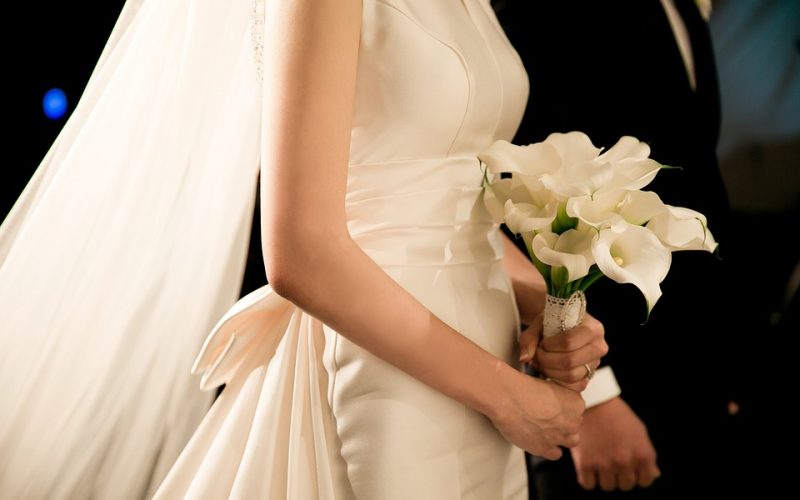
Your wedding bouquet is one of the most photographed details of your big day. From the moment you walk down the aisle to the final dance, it stays with you — so choosing the right one matters. The good news is that with so many styles, flowers, and colour palettes to explore, finding a bouquet that feels like you has never been easier.
Popular bouquet styles
The style of your bouquet sets the tone for your entire look. Round or posy bouquets are a timeless choice, offering a compact, symmetrical shape that suits most dress styles. Cascading bouquets, with their dramatic waterfall of blooms and trailing greenery, work beautifully for formal or cathedral-length gowns. For a more relaxed, garden-party feel, loose, unstructured bouquets — sometimes called "gathered" or "wildflower" styles — have grown enormously popular in recent years. Whichever style appeals to you, it helps to try a few options before committing.
Seasonal flowers to consider
Choosing flowers that are in season not only keeps costs down but also ensures your bouquet looks its freshest on the day. Spring weddings lend themselves to peonies, tulips, and ranunculus, while summer brides often favour roses, dahlias, and sweet peas. Autumn offers rich, warm tones through chrysanthemums, marigolds, and dried grasses, and winter weddings can look stunning with amaryllis, hellebore, and eucalyptus. Speak to your florist early — they will know exactly what is available and at its best during your wedding month.
Colour palettes and coordination
Your bouquet should complement your overall wedding palette without competing with it. Many couples choose florals that echo the colours of their bridesmaid dresses or table centrepieces, creating a cohesive visual story throughout the day. Neutral tones like ivory, blush, and sage remain perennially popular because they photograph beautifully and work across many venues. If you want to make a bolder statement, a single-colour bouquet — such as an all-white arrangement or a deep burgundy display — can be just as striking as a mixed palette.
Working with a florist
A good florist does far more than arrange flowers. They help you understand what is realistic within your budget, suggest alternatives when certain blooms are out of season, and ensure everything is delivered and styled on time. When meeting with a florist, bring along inspiration images, a note of your colour palette, and any flowers you know you love or want to avoid. The more information you share, the more accurately they can bring your vision to life. Most florists recommend booking at least six to nine months in advance, particularly for peak summer and early autumn dates.
Budgeting for your florals
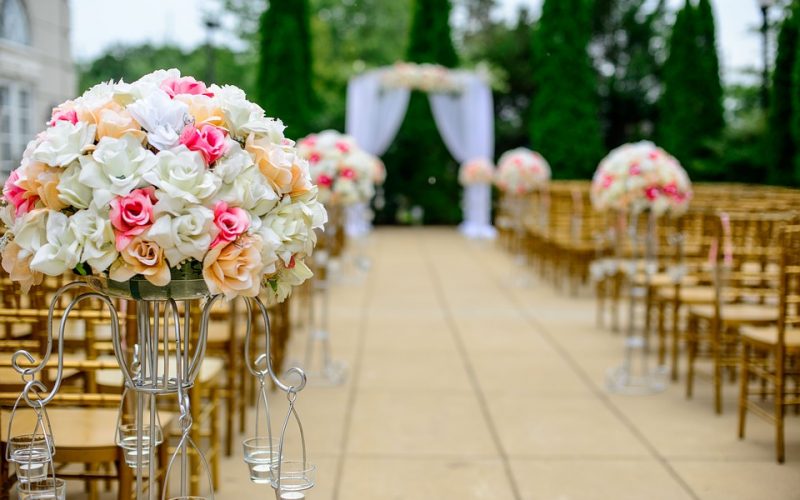
Wedding flowers can account for a significant portion of your overall budget, so it pays to plan ahead. The bridal bouquet is typically the most expensive single floral item, followed by bridesmaid bouquets, buttonholes, and ceremony and reception arrangements. If you are working within a tight budget, opting for locally grown flowers, limiting the number of bridesmaids' bouquets, or incorporating more greenery and foliage can all help reduce costs without sacrificing impact. Be upfront with your florist about your budget from the outset — they will appreciate the honesty and can work with you to prioritise accordingly.
Making it personal
The most memorable bouquets tend to reflect something meaningful about the couple. Some brides incorporate flowers that grew in a family garden, while others include a bloom that was present at a parent's wedding. A small charm, a piece of lace from a family heirloom, or a handwritten note tucked into the stems can turn a beautiful bouquet into something truly personal. Your wedding flowers do not need to follow any particular trend — they simply need to feel right for you.